















Why Vehicle Specific Grille Kits Matter
By Zunsport - 22nd Apr, 2026
Zunsport is The Specialist Stainless Steel Car Grille (grill) Company. We concentrate all of our efforts on this product line. All Zunsport grilles are made from premium quality stainless steel wire mesh regardless of whether you choose to have a chrome, or a black finish.
Shop Now
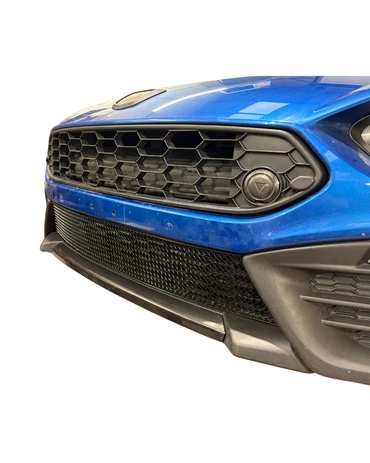
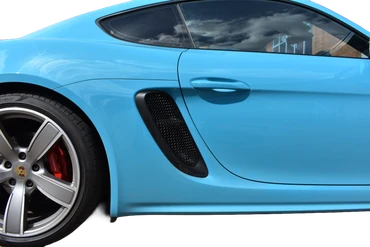
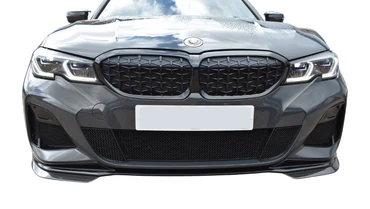
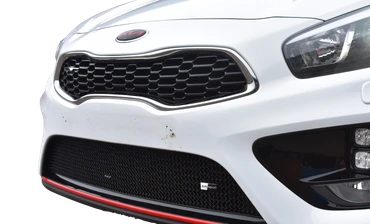
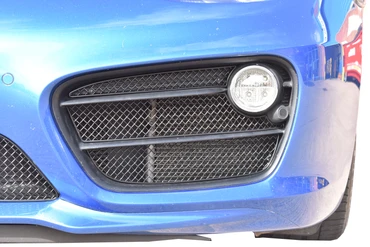
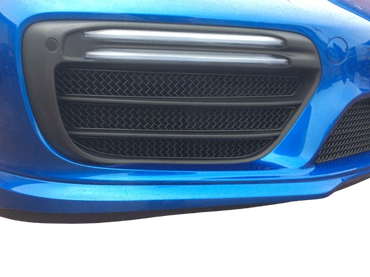
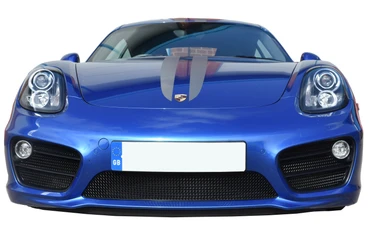
A stone through the lower front aperture rarely looks dramatic in the moment. You hear a sharp ping, carry on driving, and only later discover bent radiator fins, trapped leaves, or damage building where it is hardest to see. That is exactly why vehicle specific grille kits have become such a considered upgrade for owners who want proper front-end protection without compromising the lines of the car.
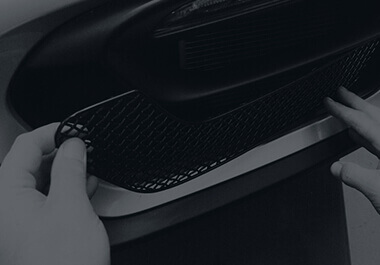
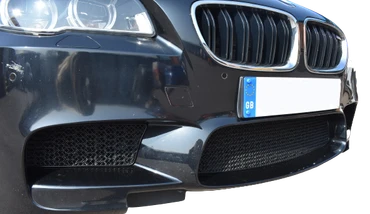
At a basic level, a grille kit adds a protective mesh barrier to vulnerable openings at the front of a vehicle. In practice, the quality of that protection depends on how precisely the grille is designed for the model in question. A poorly matched insert may leave gaps, sit awkwardly against the bumper, or interfere with airflow management. A properly engineered kit does not just cover an opening - it follows the shape, mounting points and cooling layout of that exact vehicle.
That distinction matters more on modern cars than many buyers first expect. Front-end design has become more complex, with larger intakes, active cooling demands, parking sensors and brand-specific styling cues all occupying the same space. A universal mesh panel may look acceptable from a distance, but it rarely reflects the level of integration owners expect from a premium or performance car. Vehicle specific grille kits are designed to look intentional, not improvised.
The strongest argument for model-specific grilles is not appearance alone. It is fitment. A grille that has been designed around a particular make and model should align with the contours of the original bumper and apertures, allowing the mesh to sit neatly and securely. That helps deliver a finish that feels closer to factory quality while still offering the practical benefits of an aftermarket upgrade.
There is also a durability advantage. When a grille kit is made to fit exact openings, the mounting method can be engineered to suit the vehicle rather than forced into place. That reduces movement, vibration and the risk of the mesh rubbing against surrounding trim over time. On a daily driven car, those details make the difference between an accessory that still looks right after years of use and one that starts to feel temporary.
Universal products appeal on price, and for some buyers that is enough to start the conversation. But there is usually a trade-off. Cutting mesh to size, creating your own mounts and trying to achieve a symmetrical finish can consume more time than expected, and the final result depends heavily on installer skill. Even then, the fit can look aftermarket in the least flattering sense.
Vehicle specific grille kits reduce that uncertainty. They are built with the dimensions, curves and fixing strategy of the intended vehicle already resolved. That means less guesswork during fitting, a more consistent visual result and a better chance of preserving airflow where the manufacturer intended it. For owners of prestige, sports or carefully maintained daily vehicles, that extra precision is usually worth it.
One of the most common concerns around any front grille protection is whether it will restrict cooling. It is a reasonable question, especially on high-performance, turbocharged and hybrid vehicles where thermal management is already working hard. The answer depends on mesh design, aperture coverage and the way the grille sits within the airflow path.
A well-designed stainless steel mesh grille should strike a balance. The openings need to be fine enough to stop stones, larger debris and road litter from reaching radiators and intercoolers, but not so dense that they create avoidable restriction. This is where specialist grille manufacturers have a clear advantage over general accessory sellers. When all of the engineering effort goes into one category, the product is far more likely to reflect real cooling requirements rather than just visual appeal.
It also depends on the vehicle itself. A fast road car used year-round may benefit greatly from extra radiator protection, particularly if it has a large exposed lower intake. An EV or luxury SUV may have different front-end packaging and different priorities. That does not make one application more suitable than another, but it does reinforce the case for choosing a grille developed specifically for the vehicle rather than treating every front bumper as interchangeable.
Grille protection is often purchased for practical reasons, then appreciated for its styling effect afterwards. That order is telling. Owners usually want the car to remain true to its original design, just better defended and slightly sharper in finish. A woven mesh grille in stainless steel, black or silver can add definition to the front end, but only if it complements the vehicle rather than dominating it.
This is another area where vehicle specific grille kits justify themselves. Because they are shaped to the original apertures, they tend to preserve the manufacturer’s design language. The car still looks like itself, not like it has been fitted with a generic panel from the local motor factors. For many owners, particularly of performance and premium models, subtlety is not a compromise. It is the goal.
The front of a vehicle deals with constant punishment from road spray, grit, salt and weather. Cheap mesh may look presentable when first installed, but corrosion, discolouration and loosening fixings quickly expose the difference between a decorative part and a properly engineered one. Stainless steel remains the benchmark because it offers strength, corrosion resistance and a more enduring finish.
That does not mean every driver needs the most visible polished effect. Some prefer a black finish for a more discreet look, while others want a brighter metallic contrast. The right choice comes down to the vehicle’s design, the owner’s taste and how prominent the grille will be within the front-end styling. What should not be optional is the underlying material standard.
If you are comparing options, start with exact compatibility rather than finish. The first question is whether the grille has been designed for your specific model, year and variant. Small differences between facelifts, trim levels and engine packages can affect aperture shapes, sensor positions and cooling layouts. Assuming one version fits all can be an expensive mistake.
After that, consider where protection is most needed. On some vehicles, the lower grille area is the most exposed and vulnerable to road debris. On others, upper and side sections may also benefit from coverage. The best solution is not always the largest possible amount of mesh. It is the one that protects genuine risk areas while maintaining a clean, balanced appearance.
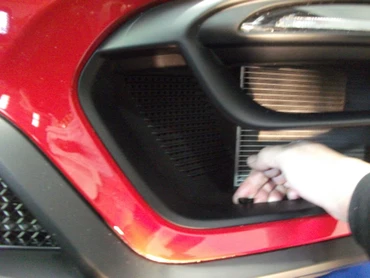
Fitting method matters as well. Many owners want a grille kit they can install without irreversible changes to the vehicle. That is especially relevant for leased cars, cherished examples and newer vehicles where preserving original panels matters. Clear fitment guidance and a well-developed mounting system can make the difference between a satisfying upgrade and a frustrating afternoon in the garage.
Performance car owners often see the benefit quickly because exposed cooling hardware can sit low and close to the road. SUV drivers and touring motorists also have strong reasons to fit grille protection, particularly if they cover high mileage or regularly drive on rural roads where grit, loose debris and insects collect fast. Even drivers of everyday premium vehicles can avoid the annoyance and cost of cleaning or repairing vulnerable radiator packs.
This is one reason specialist manufacturers continue to stand apart. A company focused entirely on premium grille systems understands that the buyer is not just purchasing mesh. They are buying confidence in fitment, finish and function. That specialist approach is exactly why brands such as Zunsport have earned attention from owners who want a solution that looks right on the car and performs properly over time.
The smartest upgrades are usually the ones that prevent problems before they announce themselves. If your vehicle has exposed front openings, a tailored grille kit is less about making a statement and more about protecting what sits behind the bumper while keeping the car looking as it should. Buy for exact fit, proper materials and thoughtful airflow design, and you will notice the value every time the road throws something at the front end.
By Zunsport - 22nd Apr, 2026
A stone through the lower front opening does not need to be large to become expensive. Modern vehicles place radiators, intercoolers and condensers directly in the firing line of road debris, and once those delicate fins are bent or punctured, the repair bill can quickly outweigh the cost of prevention. That is why a radiator protection grille has become a sensible upgrade for owners who want to protect both vehicle performance and appearance.
For many drivers, the issue is not whether the front end is exposed - it clearly is - but how to protect it without fitting something that looks generic, restricts airflow or spoils the styling of the car. The best grille protection systems solve all three problems at once. They sit neatly within the vehicle’s existing openings, guard vulnerable cooling components and add a more finished look to the front of the car.
A radiator protection grille is designed to act as a physical barrier between the road and the cooling pack behind the bumper. In practical terms, that means intercepting stones, loose chippings, leaves and other debris before they strike the radiator or intercooler core.
This matters because cooling components are built for heat exchange, not impact resistance. Their thin fins and narrow tubes are highly effective at transferring heat, but they are also easy to damage. Even if a stone does not cause a puncture, repeated strikes can flatten fins and reduce the efficiency of the system over time.
On many modern vehicles, especially performance models, EVs and premium SUVs, the front apertures are larger and more aggressively styled than they used to be. They look purposeful, but that extra openness often leaves expensive hardware more exposed. A properly designed grille protection system addresses that vulnerability without asking the owner to compromise the vehicle’s design language.
The most obvious risk is direct damage, but the real picture is broader. Road debris can mark the radiator, clog the fins and affect airflow consistency across the face of the core. If you drive regularly on motorways, rural roads or freshly surfaced routes, the chance of impact rises significantly.
There is also the question of long-term ownership. A vehicle may run perfectly well after a few minor strikes, but accumulated wear on the cooling pack is not always visible from the outside. By the time overheating, poor cooling performance or air conditioning inefficiency becomes noticeable, the underlying damage may already be substantial.
Prestige and enthusiast vehicles create a particular case for protection. Owners tend to be more selective about cosmetic standards, and the front end is one of the first areas to show wear. Bent fins and visible marks behind the bumper can make an otherwise well-kept vehicle look tired. A quality grille helps preserve the mechanical parts and improves what you see through the front opening.
One concern appears in almost every buying decision: will fitting a mesh grille affect cooling? It is a fair question, and the answer depends entirely on design quality.
A poorly chosen universal mesh can create problems. If the weave is too dense, the wire too heavy or the fit too crude, airflow can be unnecessarily restricted. That is where specialist, vehicle-specific grille design matters. The goal is not simply to cover an opening. It is to provide meaningful protection while maintaining the airflow characteristics the vehicle needs.
This is why material choice and mesh pattern are so important. Stainless steel woven mesh offers a strong balance between durability, corrosion resistance and open area. When engineered correctly for a specific vehicle aperture, it can stop damaging debris while still allowing the cooling system to function as intended.
There is no single answer that suits every car. A high-output performance model, a daily-driven hatchback and an electric vehicle all manage airflow differently. The right approach is always model-specific rather than universal.
A radiator protection grille is one of those products that looks simple until you see the difference between a generic part and a properly developed one. Universal mesh often relies on trimming, bending and improvised fastening. That tends to produce uneven lines, insecure mounting and a finish that never quite looks integrated.
By contrast, a vehicle-specific grille is shaped around the exact contours of the bumper opening. It sits cleanly, follows the original styling and avoids the makeshift appearance that often gives aftermarket accessories a bad name. For owners of premium vehicles, this distinction is especially important. Protection should not come at the cost of appearance.
Fitment also affects durability. A grille that is badly mounted can vibrate, rub against painted surfaces or come loose over time. A well-engineered system is designed to stay secure in real driving conditions, from fast motorway miles to poor road surfaces and seasonal weather.
Not all grille materials age well. Plastic can become brittle, coated mild steel can chip and corrode, and lower-grade mesh often loses its finish quickly once exposed to road salt, moisture and general use. If you are fitting a protective component to the most exposed part of the car, the material needs to justify its place.
Stainless steel remains the premium option for good reason. It offers excellent corrosion resistance, retains its structure, and gives a clean, precise look that suits both modern and classic front-end styling. It also provides flexibility in finish, whether the owner wants a brighter metallic appearance or a more subtle black mesh look.
The finish is not just a styling detail. It determines how visible the grille appears against the vehicle’s existing design. Some owners want the grille to stand out as a deliberate upgrade. Others want it to disappear into the front opening and simply look factory-correct. A refined product range should allow for both.
For many buyers, radiator protection begins as a practical purchase and ends as an aesthetic upgrade. That is not a contradiction. It is exactly how a well-designed grille should work.
The open spaces in a modern bumper can expose a lot of background hardware. Depending on the car, that might include cooling fins, brackets and darker recesses that make the front end look unfinished. A woven mesh grille tidies that visual clutter and gives the aperture more definition.
This is one reason quality grille systems appeal to such a wide mix of owners. Enthusiasts appreciate the cleaner, more resolved appearance. Practical drivers value the protection. Owners of prestige vehicles tend to want both. The strongest products do not force a choice between function and style - they deliver both in the same part.
The short answer is almost any owner with exposed cooling components, but some use cases stand out. Motorway drivers face regular stone impact at speed. Rural drivers deal with loose debris, mud and leaf build-up. Performance car owners often have large front intakes and costly cooling packs. SUV and 4x4 owners may encounter rougher surfaces and more debris in general use.
Electric vehicle owners should not overlook the issue either. While cooling requirements differ from combustion vehicles, many EVs still use front-end openings to manage thermal systems, batteries or ancillary cooling hardware. Protection still matters, even if the layout behind the bumper is not identical.
If you keep vehicles for several years, the value proposition becomes even clearer. Preventing one avoidable repair can justify the grille on cost alone. Preserving the front-end condition over time is the added benefit.
The best buying decisions usually come down to three things: vehicle-specific design, premium materials and credible fitment. If a grille is marketed as a one-size-fits-all solution, it is worth being cautious. Front-end geometry is too varied for universal parts to deliver a truly clean result.
Look closely at how the product mounts, what material the mesh uses and whether the finish suits the vehicle. Consider the balance between visibility and subtlety. A bright finish can complement some cars beautifully, while a black grille may suit others better by blending into the intake area.
It is also worth thinking about installation confidence. Some owners are happy to fit a grille themselves, provided the instructions are clear and the design is straightforward. Others will prefer professional fitting. Neither approach is wrong. The key is choosing a product that has been engineered with proper fitment in mind from the outset.
Specialists such as Zunsport have built their reputation by focusing on that exact balance - protection, airflow, fit and finish - rather than treating grille mesh as a generic accessory.
A radiator protection grille makes the most sense when it feels like part of the vehicle rather than an add-on. Protecting a vulnerable cooling system is reason enough to fit one. If it also sharpens the front-end appearance and preserves the standards you expect from the car, that is money well spent.
By Zunsport - 21st Apr, 2026
A stone through the front grille rarely looks dramatic at the time. You hear a sharp tick, carry on driving, and only later discover bent fins, reduced cooling efficiency or a repair bill that feels completely out of proportion to the size of the impact. That is exactly where intercooler protection mesh earns its place - not as a cosmetic extra, but as a practical barrier between exposed cooling hardware and the debris every road car faces.
On many modern vehicles, especially performance, turbocharged and premium models, the intercooler sits low and vulnerable behind large front openings. Manufacturers design these openings to feed air where it is needed, but the same path that admits cooling airflow also allows in grit, stones, leaves and road salt. For drivers who want to protect the car properly without spoiling its appearance, a well-made mesh grille is one of the few upgrades that addresses both concerns at once.
An intercooler reduces the temperature of compressed air before it enters the engine. Cooler intake air is denser, which supports more consistent performance and helps the engine operate as intended. If the intercooler core becomes clogged with debris or damaged by road impact, that efficiency can suffer.
Intercooler protection mesh is fitted in front of the exposed opening to stop larger debris from reaching the core. The goal is not to block airflow. It is to interrupt the trajectory of stones and other contaminants while still allowing a strong volume of air to pass through. When designed properly, the mesh becomes a protective screen rather than a restriction.
That distinction matters. Cheap universal mesh can look similar at a glance, but poor aperture size, low-grade material and weak mounting can create more problems than they solve. A specialist, vehicle-specific grille is engineered around the shape of the opening, the cooling requirements of the car and the finish expected on a quality road vehicle.
The issue is more common than many owners expect. Front-end styling has changed significantly over the years, with larger apertures, more aggressive bumper designs and increasingly exposed heat exchangers. Whether the vehicle is a hot hatch, grand tourer, SUV or EV with auxiliary cooling components, there is often little between the road and the vulnerable fins behind the bumper.
A damaged intercooler does not always fail immediately. Often the first signs are gradual - crushed fins, trapped leaves, corrosion encouraged by dirt retention, or airflow that is less efficient than it should be. Owners may not notice until the front end is inspected during servicing or detailing.
For year-round UK driving, the risk is hardly limited to motorway mileage. Country lanes throw up grit, winter roads carry salt and broken surface material, and even routine commuting can send debris through wide lower grilles. If the car is driven enthusiastically or covers high mileage, the case for protection becomes stronger.
The obvious question is whether adding mesh in front of an intercooler reduces cooling performance. The honest answer is that it depends on the design. Any material placed in the airflow path changes that airflow to some degree. The difference is whether the change is negligible and well managed, or poorly considered and intrusive.
This is why mesh specification matters so much. The weave, wire thickness and aperture size all influence how freely air can move through the grille. A premium woven stainless steel mesh designed for grille protection aims to preserve airflow while filtering out the debris most likely to cause damage. That is very different from fitting a dense sheet of decorative mesh with no regard for cooling demand.
A good solution acknowledges the trade-off and controls it. You are not chasing maximum blockage. You are choosing sensible protection with minimal aerodynamic penalty. On a road car, that balance is usually far more valuable than leaving expensive cooling components fully exposed.
Intercooler protection mesh lives in one of the harshest parts of the car. It faces water, salt, grit, insect residue, temperature changes and constant pressure washing. Material choice is not a small detail.
Stainless steel remains the benchmark for premium grille protection because it combines strength, corrosion resistance and a clean finish that suits both everyday vehicles and prestige models. It holds its appearance better than low-cost alternatives and is less likely to degrade into a tired-looking front-end add-on after one winter.
Finish matters too. Some owners want bright stainless or silver to complement chrome details. Others prefer black for a subtler, OEM-style appearance. Neither is inherently better. It depends on the vehicle and the look you want to achieve. What matters is that the finish is durable and the fit remains precise, rather than looking like an afterthought clipped behind the bumper.
This is usually where the biggest difference in value appears. Universal mesh sheets are easy to buy, but they place the burden on the owner or installer to cut, shape and secure the material. That can work on a budget build or a dedicated project car, but it often produces inconsistent results on a road vehicle that deserves a cleaner finish.
A vehicle-specific intercooler protection mesh system is designed around the exact grille aperture and mounting points of the car. That means better coverage, neater alignment and more secure installation. It also reduces the risk of loose edges, rattles, poor visual integration or sections of the intercooler still left exposed.
For owners of performance and premium cars, fit is not cosmetic trivia. The front grille is one of the most visible parts of the vehicle. If the mesh looks generic, bowed or badly cut, it lowers the standard of the whole front end. A properly engineered grille should look like it belongs there.
Not every owner will prioritise it in the same way. If the vehicle is a weekend car that sees little mileage in fair weather, the urgency may be lower. If it is driven daily, parked outdoors, used on mixed roads or expected to retain a high standard of condition, the logic becomes much clearer.
Turbocharged cars are obvious candidates because the intercooler plays a direct role in intake air cooling. SUVs and crossovers also benefit because their larger frontal openings can leave cooling components highly exposed. Performance EVs and hybrids may not use a traditional intercooler in the same way, but many still have vulnerable cooling hardware behind open grilles that benefits from the same style of protection.
Owners who are particular about maintenance tend to appreciate mesh most once they have seen an unprotected core after a few years on the road. It is rarely pristine.
The strongest buying criteria are straightforward. First, check that the mesh is intended for your exact make, model and variant. Small bumper and trim differences matter more than people think. Second, look at the material specification. Stainless steel is a far better long-term proposition than flimsy painted mesh.
Third, consider how the grille mounts. A secure, purpose-designed fitting method is preferable to improvised fixings that can mark surrounding trim or work loose over time. Finally, assess the finish and visual integration. Protection is the primary job, but on a well-kept car the grille still needs to complement the front-end design.
This is where a specialist manufacturer has a clear advantage. Companies focused entirely on stainless steel grille systems, such as Zunsport, tend to understand the practical demands of fitment, airflow and appearance in a way general accessories sellers often do not.
For most drivers who plan to keep their car in strong condition, yes. The cost is usually modest compared with the potential expense and inconvenience of damaged cooling components, and the visual result can improve the front end rather than detract from it.
That said, the value depends on choosing the right product. If the mesh is poorly made, badly fitted or too restrictive, it stops being a sensible protective upgrade and starts becoming a compromise. The best solutions are the ones you barely need to think about once fitted - they protect quietly, preserve the car’s look and stand up to real use.
A front grille opening will always invite more than air. If you can stop the worst of the road reaching your intercooler without upsetting the car’s design or cooling performance, that is usually money well spent.
By Zunsport - 21st Apr, 2026
A stone through the lower front aperture is a small impact that can turn into a costly repair. That is why a silver mesh grille kit appeals to owners who want more than a styling tweak. Done properly, it gives the front end a sharper, more finished look while helping shield radiators, condensers and intercoolers from the debris that modern roads throw at them.
The key phrase there is done properly. Not every grille kit on the market is built to the same standard, and the difference is usually obvious once you look past the photographs. Material quality, weave consistency, finish, mounting method and vehicle-specific fitment all affect how the kit looks on the car and how well it performs over time.
At first glance, the appeal is visual. Silver mesh complements a wide range of body colours and front-end designs, particularly on performance, prestige and premium vehicles where a bright metallic finish can echo factory trim rather than fight against it. It can make open intake areas look more purposeful and complete.
The functional benefit matters just as much. Many vehicles leave vulnerable heat exchangers exposed behind large bumper openings. That may suit airflow targets in the factory design, but it also leaves delicate fins open to stones, leaves and general road debris. A silver mesh grille kit acts as a physical barrier in front of those components, reducing the chance of damage without blanking off the aperture entirely.
That balance between protection and airflow is where better grille kits separate themselves from cheap universal alternatives. If the mesh is too dense, you risk restricting air movement. If it is too open, protection becomes limited. The right design considers both.
This is often the first buying decision, and it is not purely cosmetic. A silver mesh grille kit tends to suit vehicles with chrome detailing, polished trim or a brighter factory grille surround. It has a more overtly premium look and can appear closer to an OEM-plus upgrade, especially on GT cars, luxury SUVs and well-specified road cars.
Black mesh usually creates a more understated or aggressive effect. It recedes into the bumper and can be preferable if you want the protection to be visually subtle. Neither option is universally better. It depends on the vehicle, the finish of surrounding trim and how prominent you want the grille to appear.
On lighter body colours, silver mesh can add definition to large openings. On darker cars, it can either provide attractive contrast or feel too bright if the rest of the front end is de-chromed. The best choice is usually the one that looks intentional, not simply different.
A grille kit spends its life at the front of the car, dealing with weather, salt, grime, road impact and repeated cleaning. That is not the place for thin mesh, inconsistent coating or weak fixings. Stainless steel remains the benchmark for premium applications because it offers strength, corrosion resistance and long-term finish stability.
This matters for two reasons. First, the grille has to maintain its shape. Distorted mesh or flimsy edging quickly cheapens the look of the car. Second, the finish needs to last. A silver grille that dulls unevenly, chips around the edges or starts showing corrosion spots after a winter undermines the entire point of fitting a premium accessory.
Woven stainless steel mesh has another advantage. It typically delivers a cleaner, more precise appearance than many punched or expanded alternatives. For owners who care about visual quality as much as protection, that refinement is not a minor detail.
The strongest argument against universal mesh is also the simplest: cars are not universal. Front bumper apertures vary in shape, depth and mounting access, and modern vehicles often package sensors, cooling hardware and trim features tightly behind the grille area. A generic sheet of mesh trimmed to size may cover a hole, but that does not mean it will look integrated or mount securely.
A vehicle-specific silver mesh grille kit is designed around the exact contours of the model it fits. That gives cleaner lines, more reliable fixing points and a result that looks engineered rather than improvised. It can also reduce the risk of interference with parking sensors, active systems or other front-end components.
This is particularly important on premium and performance vehicles, where poor fitment is easy to spot. Uneven gaps, loose edges and visible cut marks stand out immediately. A well-designed kit should sit neatly within the aperture and complement the original bodywork rather than drawing attention to itself for the wrong reasons.
Some owners hesitate because they do not want to compromise cooling. That is a sensible concern, especially on turbocharged cars, performance models and vehicles used for towing or long-distance summer driving. A grille kit should never be treated as purely decorative if it sits in front of a critical cooling path.
That said, the presence of mesh does not automatically mean problematic airflow restriction. The real question is how the grille has been designed. Mesh aperture size, wire thickness, installation position and the vehicle’s own cooling reserve all play a part. A properly engineered kit is intended to provide protection while preserving the airflow the vehicle needs in normal real-world use.
There are still scenarios where closer scrutiny makes sense. If the car is heavily modified for track work, operates in consistently high ambient temperatures or already runs close to its cooling limits, any front-end change deserves careful consideration. For normal road use, on a well-matched application, quality mesh protection is rarely the issue buyers fear it might be.
A silver mesh grille kit is often marketed on the basis that it can be fitted without major modification, and that is one of its genuine advantages. Many quality kits are designed to install cleanly using model-specific brackets or fixing methods, avoiding the need for cutting original bodywork.
Even so, simple does not mean casual. The grille needs to be aligned accurately, secured evenly and checked for clearance around visible trim and hidden components. Rushed installation can spoil an otherwise excellent product. If one side sits proud or the mesh line is slightly off, the eye goes straight to it.
Owners comfortable with light mechanical work will often be able to fit a kit themselves with care and patience. Others may prefer professional fitting for peace of mind, especially on high-value vehicles where front-end finish is a priority. There is no shame in that. The right result matters more than claiming it was a quick DIY job.
Start with compatibility, not appearance. A silver mesh grille kit should be matched to the exact make, model, generation and, where relevant, trim or facelift version of the car. Small changes in bumper design can make a big difference to fit.
Then assess the construction. Stainless steel mesh, a consistent silver finish, neatly formed edging and purpose-designed fixings are good signs. Product imagery should show how the grille sits within the bumper, not just isolated close-ups. If a seller is vague about materials or fitment, that is usually a warning sign rather than a minor omission.
It is also worth considering how visible you want the mesh to be. Some kits create a bold front-end feature, while others sit more discreetly behind the original opening. Neither is wrong, but the result should suit the character of the vehicle. The best grille upgrades look like they belong there.
A specialist manufacturer will usually offer better fitment clarity and stronger product knowledge than a broad marketplace seller. That focus tends to show in the details - cleaner engineering, clearer installation guidance and a better understanding of how grille protection needs to work on specific vehicles.
Silver remains a strong choice because it bridges style and restraint better than many finishes. It has enough presence to elevate the front of the car, but when executed well it does not look theatrical. On the right vehicle, it simply appears correct.
That is why silver mesh continues to appeal across very different segments, from sporting coupes to executive SUVs. It can sharpen the appearance of a daily-driven car just as effectively as it complements a carefully specified weekend vehicle. And because the finish reflects light differently to black mesh, it often highlights the quality of the weave and edging more clearly.
For buyers who want a practical upgrade with a premium visual return, that combination is difficult to ignore. A well-made silver mesh grille kit protects vulnerable components, improves the finish of exposed front apertures and avoids the compromise of a universal, cut-to-fit solution. Choose the kit with the same care you would apply to any visible part on the car, and it will look right long after the novelty has worn off.
By Zunsport - 20th Apr, 2026
A grille insert can sharpen the whole front end of a car in minutes, but not all upgrades earn their place. Chrome car grille inserts sit right at the point where styling meets function. Done properly, they add definition, complement factory trim and help protect vulnerable cooling components behind the bumper. Done badly, they can look out of place, trap debris or simply fail to last.
That is why the detail matters. Material quality, mesh design, finish, airflow and vehicle-specific fitment all have a direct impact on whether an insert feels like a proper enhancement or an afterthought.
At the most basic level, grille inserts sit within or over the existing grille aperture to change the appearance of the vehicle’s front end. For many owners, the first appeal is visual. Chrome brings contrast, picks up existing brightwork and gives the nose of the car a cleaner, more resolved look.
But appearance is only part of the story. A well-designed insert also acts as a barrier between the road and the radiator, intercooler or air conditioning condenser. Stones, leaves and general road debris can pass through large factory openings surprisingly easily, particularly on performance cars, SUVs and vehicles with broad lower intakes. Over time, that exposure can lead to bent fins, clogged cooling packs and avoidable maintenance.
The best inserts are designed to reduce that risk without choking the airflow the vehicle needs. That balance is where specialist grille design earns its value.
Chrome can suit a wide range of vehicles, but only when it works with the car rather than against it. On models with existing chrome window surrounds, badging or lower trim, a matching grille insert often looks integrated rather than obviously aftermarket. On darker paint finishes, the contrast can be especially effective because it gives the front end more definition without becoming heavy-handed.
That said, chrome is not always the right answer. If a vehicle has a blackout styling pack or a very understated factory look, a bright insert may feel too prominent. It depends on the design language of the car and the result you want. Some owners want a subtle factory-plus finish. Others want the grille to stand out more clearly. Neither approach is wrong, but the insert should respect the lines of the original bodywork.
The quality of the chrome finish also matters more than many buyers expect. Poorer products can look acceptable when first fitted, then quickly lose their appeal as the finish dulls, marks or peels. A premium stainless steel construction with a high-quality polished finish generally delivers a more durable result than cheaper plated alternatives.
This is where many buying decisions are won or lost. Low-cost universal inserts often rely on thin materials, basic trims and a one-size-fits-most approach. They may seem attractive on price alone, but they rarely offer the fit, finish or long-term durability that discerning owners expect.
Stainless steel remains the standout choice for a premium grille insert because it offers excellent corrosion resistance, structural strength and a more consistent finish over time. That matters in real driving conditions. Water, grit, road salt and regular washing all test the quality of exterior accessories, particularly on the front of the vehicle where exposure is constant.
A woven mesh stainless steel insert also tends to look more precise than expanded mesh alternatives. The pattern is cleaner, the finish is more refined and the end result is better suited to premium and performance vehicles where crude detailing stands out immediately.
A grille insert only looks right when it fits the vehicle properly. This sounds obvious, yet many products on the market still depend on trimming, bending or visible fixing methods that compromise the final appearance. Gaps around the edges, uneven alignment and intrusive mounting hardware are the quickest ways to make a car look modified in the wrong sense.
Vehicle-specific fitment is the smarter route. It allows the insert to follow the exact contours of the factory grille opening, sit neatly within the bumper design and maintain a purposeful OEM-quality appearance. It also tends to make installation more straightforward, because the part has been developed around a known shape rather than adapted from a generic template.
For owners of prestige, sports or premium 4x4 models, this is especially important. The front-end styling on these vehicles is often more complex, and the tolerance for a poor fit is lower because the original design is already highly resolved.
A common concern with any grille insert is whether it will restrict cooling. It is a fair question, particularly for higher-performance vehicles or cars used for long motorway runs, towing or summer driving.
A properly engineered mesh insert should protect without creating unnecessary airflow issues. Mesh aperture size, wire thickness and placement all influence performance. If the mesh is too coarse, protection becomes limited. If it is too tight, airflow may be reduced more than it needs to be. The right design sits in the middle - enough coverage to stop damaging debris, with enough open area to allow the cooling system to do its job.
This is one of the clearest differences between specialist products and decorative-only inserts. A specialist manufacturer considers the operating demands of the vehicle, not just how the finished part looks in a photograph.
Not every grille upgrade needs to announce itself. In fact, the strongest results are often the ones that look as though they should have been there from the start. Chrome inserts can be bold, but they can also be restrained when the mesh pattern, surround treatment and finish quality are right.
If your vehicle already carries bright exterior detailing, a chrome insert can tie the front end together. If your car is more understated, you may prefer a silver or black finish instead. That is the trade-off worth thinking through before buying. The objective should not be to add chrome for its own sake, but to choose a finish that suits the vehicle’s shape, trim level and intended use.
For many owners, the most satisfying result is a grille insert that adds a premium edge while still serving a practical purpose. That combination tends to age better than trend-led styling.
Most quality inserts are designed to be fitted without major alteration to the vehicle, although the exact method depends on the model and grille position. Upper and lower grilles can differ in accessibility, and some installations are naturally more involved than others. What matters is that the part is designed for secure mounting and a neat final position.
Maintenance is generally straightforward. Regular washing with the rest of the vehicle will usually be enough to keep the insert looking its best. Stainless steel finishes are particularly well suited to this, as they hold up well under normal use and cleaning. The key is to avoid harsh treatment that would damage any polished surface, especially if the vehicle is exposed to winter road salt or frequent motorway mileage.
A grille insert also makes it easier to keep larger debris away from the radiator area, which can reduce the build-up that often goes unnoticed until cooling components are inspected more closely.
Chrome car grille inserts are worth considering when you want more than a visual accessory. The strongest case for them is on vehicles with exposed cooling packs, large front apertures or factory styling that would clearly benefit from a more finished look. In those situations, a high-quality insert can improve appearance and add genuine day-to-day protection.
They are less compelling when bought purely on price or novelty. If the insert is universal, poorly finished or visually disconnected from the vehicle, it will rarely deliver the standard the car deserves. That is why specialist manufacturing matters. A company focused entirely on premium grille solutions, such as Zunsport, approaches the product as both a styling component and a protective system.
For owners who care about details, that distinction is significant. The right insert should look precise, feel durable and earn its place every time you walk up to the car.
A front grille takes more punishment than almost any other visible part of the vehicle, so any upgrade there should do more than decorate. If you choose chrome, choose it because it suits the car, protects what sits behind it and finishes the front end with purpose.
By Zunsport - 20th Apr, 2026
A black mesh grille upgrade changes the front end of a car faster than almost any other exterior modification. On the right vehicle, it sharpens the whole look in minutes. More importantly, when it is properly engineered, it can also add a practical layer of protection for the radiator and intercooler area without upsetting airflow.
That combination is exactly why this upgrade appeals to such a wide mix of owners. Some want a cleaner, more purposeful finish than bright factory trim. Others are less interested in styling alone and want to stop stones, leaves and general road debris from reaching vulnerable cooling components. The key point is that not every grille upgrade delivers both.
At a glance, the visual effect is obvious. Black mesh tends to reduce the visual bulk of the front end, particularly on cars with large intake openings or bright surrounding trim. It creates contrast without looking overdone, which is why it works so well on performance cars, prestige vehicles and modern SUVs alike.
The less obvious change is functional. The front of the vehicle is one of the most exposed areas on the road. Small stones, tyre debris and loose material from the carriageway can all pass straight through large factory openings. A mesh grille acts as a barrier, but the design of that barrier matters. If the aperture is too open, protection is limited. If it is too dense or poorly positioned, airflow can suffer.
That balance between appearance and protection is where specialist grille design separates itself from generic accessories.
Many owners start with the appearance side of the decision. That makes sense. A black finish can modernise an older front end, tone down excess chrome and give a vehicle a more focused character. On lighter paint colours especially, the contrast can look crisp and intentional. On darker vehicles, it can create a more integrated, factory-like finish.
But style on its own rarely justifies a poor-quality part. A grille sits in a high-impact area exposed to weather, grit, heat and repeated washing. If the finish deteriorates quickly, rattles develop or the fit is slightly off, the upgrade stops looking premium very quickly.
The more durable reason for fitting a mesh grille is protection. Radiators and intercoolers are not cosmetic parts. Damage from road debris can lead to expensive repair work, loss of cooling efficiency and unnecessary downtime. For owners who cover motorway miles, drive on poorly surfaced roads or use vehicles year-round, the protection benefit is not theoretical.
This is where buyers often split into two groups. One group looks for the cheapest universal mesh solution available. The other wants a grille designed specifically for the make and model. The price difference can look significant at first, but so is the difference in result.
A vehicle-specific grille is shaped to match the opening properly, sit cleanly within the body lines and mount securely. That affects aesthetics, but it also affects durability and performance. A grille that moves, rubs or relies on improvised fitting can damage surrounding trim and never quite feel finished.
A proper fit also helps preserve airflow management. Modern cars are designed with increasingly precise cooling packages, especially turbocharged, performance, hybrid and electric models. The grille area is not just a styling feature. It is part of how the front end manages air. A poorly chosen mesh can interfere with that more than many buyers realise.
For that reason, a black mesh grille upgrade should be judged on engineering as much as finish.
Material quality comes first. Stainless steel mesh offers a level of strength and corrosion resistance that cheaper alternatives often struggle to match, particularly in British weather where moisture, road salt and general grime are constant factors. A black finish should also be durable enough to maintain its appearance rather than fading or chipping after a short period.
Construction quality is equally important. Look closely at how the mesh is formed, how the frame is finished and how the grille attaches to the vehicle. A premium grille should feel like a designed component, not an adapted sheet of mesh cut to fit.
Then there is compatibility. Some buyers only need upper grille protection. Others should consider lower openings as well, especially if the lower intake is more exposed to debris. The right solution depends on the layout of the specific vehicle and how it is used.
Finally, think about installation. Some grille upgrades fit behind the original grille and preserve the factory look with added protection. Others create a more obvious visual change. Neither approach is automatically better. It depends on whether you want subtle enhancement, a more assertive front-end finish, or both.
Black mesh works because it is understated. It can make a prestige car look more contemporary without pushing it into obvious aftermarket territory. That only holds true if the finish is consistent and refined.
A patchy coating or visibly cheap surface treatment tends to stand out for the wrong reasons. On premium vehicles especially, the grille has to match the standard of the car around it. The best upgrades look deliberate, not added as an afterthought.
Some owners hesitate because they worry any mesh will restrict cooling. That is a fair concern, but it should be looked at properly rather than treated as a reason to avoid protection altogether.
A well-designed mesh grille should balance protective coverage with suitable airflow for normal vehicle operation. Mesh pattern, wire thickness and placement all influence that balance. This is another area where specialist design matters. A universal solution may not have been developed with your cooling package in mind.
If the vehicle is heavily modified, regularly used on track or exposed to unusually high cooling loads, the decision becomes more specific. In those cases, fitment advice is worth seeking before buying.
A black mesh grille upgrade is especially worthwhile when the factory front opening is large and the cooling pack sits exposed behind it. That applies to many modern performance cars, SUVs and premium saloons. It also makes sense for owners who have already had to clean debris from the radiator area or have seen how vulnerable those components can be.
It is also a strong choice if you want a styling change that remains tasteful. Not every exterior modification ages well. Black mesh tends to be one of the more restrained upgrades because it works with the vehicle’s lines rather than fighting them.
Where buyers need to be honest is on expectations. If you only want the cheapest visual change possible, there are plenty of low-cost options. If you want a long-term improvement in both appearance and protection, the product needs to be chosen with more care.
The market is full of mesh products, but they are not all solving the same problem. Some are primarily cosmetic. Some offer basic debris screening. A smaller number are built as properly developed, model-specific grille systems.
The difference usually shows up in four areas: fit, finish, material and confidence. A specialist product will generally sit better, last longer and look more integrated with the original vehicle design. It should also come with clearer fitment guidance and a better understanding of the cooling and protection demands of the application.
That is why specialist manufacturers tend to be the safer route for owners of higher-value vehicles. When the front end of the car is one of its defining visual features, a poor grille choice can cheapen the whole vehicle. A well-made system, by contrast, can look exactly as though it should have been there from the start.
For buyers considering a premium stainless steel option from a dedicated grille manufacturer such as Zunsport, that specialisation is part of the appeal. It reflects a focus on one category done properly rather than a broad catalogue of unrelated accessories.
For many owners, yes. A quality grille designed around the vehicle should be far more straightforward to install than a universal mesh sheet requiring cutting, shaping and improvised mounting. That said, straightforward does not always mean effortless.
If you are particular about panel gaps, trim condition and final alignment, take your time. The front end is highly visible, and small mistakes are easy to spot afterwards. If the vehicle is especially valuable, unusually complex or simply too new for you to risk marking anything, professional fitting may be the better choice.
That is not a reflection of difficulty alone. It is about preserving the standard of the car.
The best aftermarket parts do not just impress on the day they are fitted. They continue to make sense after two winters, repeated washes and thousands of miles. A black mesh grille upgrade earns its place when it still looks sharp, still fits properly and has quietly done the job of protecting the components behind it.
If you are choosing one, think beyond the first photograph. Look at the material, the fitment, the finish and the engineering behind it. A grille sits at the front of everything your car drives into - so it is worth fitting one that has been designed accordingly.
By Zunsport - 17th Apr, 2026
A stone through the lower front aperture is rarely dramatic, but the repair bill often is. That is why a stainless steel car grille appeals to owners who care about more than looks. Done properly, it protects vulnerable cooling components from road debris while giving the front end a cleaner, more resolved finish.
The detail that separates a worthwhile grille from a generic accessory is not simply the material. It is how that material is specified, woven, finished and shaped for the vehicle in question. For drivers of performance, prestige and everyday models alike, that distinction matters because the grille sits at the intersection of styling, airflow and protection.
The appeal starts with durability. Stainless steel is well suited to an exposed position at the front of the vehicle, where it has to cope with rain, salt, grit, insects and constant temperature changes. A lower-grade mesh can quickly look tired or corrode around the edges, especially through winter use. Stainless steel resists that ageing far better, which is one reason it remains the premium choice.
There is also a structural advantage. A grille intended to stop leaves, loose chippings and other debris needs enough rigidity to hold its shape over time. If the mesh is too soft or the frame too light, it may flex, rattle or sit unevenly after fitting. A well-made stainless steel grille keeps a more precise form, which helps both appearance and long-term performance.
Then there is the visual side. The right mesh pattern can sharpen the front of a vehicle without looking overdone. That is particularly important on modern cars, where the original design language is often quite deliberate. A grille should look integrated, not like an afterthought clipped across the bumper.
It is easy to treat grilles as styling parts first and protective parts second, but on many vehicles the opposite is true. Behind the front openings sit radiators, condensers and intercoolers that are exposed to road debris. A single impact may not immobilise the car, yet repeated strikes can bend fins, reduce efficiency and create costly damage over time.
This is especially relevant on cars with large lower apertures. Manufacturers often leave these areas open for packaging, cooling and styling reasons. That works well for airflow, but it also creates a direct route for stones and debris. A properly designed mesh grille acts as a barrier without blocking the air the system still needs.
That last point is where cheap universal products tend to fall short. Mesh that is too dense can restrict airflow. Mesh that is too open may do little to protect the cooling pack. The specification has to strike a balance, and that balance is not identical for every vehicle. Engine layout, cooling demand, bumper design and opening size all influence what works.
Fitment is where buyers either end up pleased with the result or immediately regret trying to save money. A universal mesh sheet may appear cost-effective, but it often brings compromises in shape, mounting and finish. Cutting mesh to size sounds straightforward until you are trying to create clean edges around a complex bumper aperture.
A vehicle-specific grille is designed to suit the exact contours of the model. That usually means tighter alignment, more secure mounting and a neater appearance once installed. It also reduces the chances of the grille fouling surrounding trim or sitting awkwardly behind the bumper opening.
For owners of premium or performance vehicles, this matters even more. The front end is one of the most visually scrutinised areas of the car. A poor fit stands out immediately. By contrast, a well-engineered grille looks as though it belongs there from the outset.
There is a practical benefit too. Purpose-made mounting systems can make installation cleaner and less invasive. Depending on the design, some grilles can be fitted without permanent modification, which is appealing to owners who want added protection without drilling, cutting or altering original parts unnecessarily.
Not all stainless steel grilles present the same finish. Bright stainless gives a more classic, technical appearance and works particularly well on vehicles with existing chrome or metallic detailing. Black finishes offer a more discreet look, often preferred on modern sporting or stealth-inspired builds. Silver can sit neatly between the two.
The weave itself also affects both function and aesthetics. A premium woven mesh tends to look more refined than a crude stamped or expanded pattern. It catches the light more evenly, appears more consistent across the aperture and usually delivers a stronger overall impression of quality.
Build quality is often revealed in the small details. Look at how the mesh meets the frame, how the edges are finished and whether the grille appears engineered as a complete component rather than a cut section of material. These are not cosmetic niceties alone. They influence durability, resistance to vibration and how well the part continues to fit after months or years on the road.
One of the most common questions around any protective grille is whether it will reduce cooling performance. The honest answer is that it depends on the grille design and the vehicle application. Any material placed in front of an opening changes airflow to some degree. The real issue is whether that change is meaningful in normal or demanding use.
A quality grille is designed to preserve airflow while screening out larger debris. That requires careful choice of aperture size and wire thickness. If the design is too heavy-handed, cooling may suffer, particularly on high-output or hard-driven vehicles. If it is too open, protection becomes limited.
This is why specialist manufacturers focus on model-specific development rather than a one-size-fits-all approach. A sensible grille should protect the radiator area without creating a new problem. For most road cars used in typical British conditions, a correctly engineered mesh solution can achieve that balance very effectively.
Owners who regularly tow, track their vehicles or drive in unusually hot climates should pay closer attention to application. In those cases, the relationship between airflow and protection deserves proper consideration rather than assumption.
If you drive regularly on motorways, rural roads or loose-surfaced routes, the case is fairly easy to make. These environments expose the front end to grit, chippings and other debris that can damage delicate cooling components over time. The same applies if your vehicle has a particularly open lower bumper design.
It is also a sensible upgrade for owners who plan to keep their car. Preventing visible wear to the cooling pack can help preserve both performance and presentation. Anyone who has looked through a front aperture at a bent, battered radiator will understand how quickly an otherwise well-kept car can start to appear neglected.
A premium grille can also make sense if you value subtle styling improvements. The best examples do not fight the original design. They sharpen it. That is why specialist products tend to appeal to owners who want an accessory to look considered, not flashy.
Start with compatibility. A grille should be built for the exact make, model and variant wherever possible. Small differences in bumper shape or trim level can affect fitment more than many buyers expect.
Next, assess the material and finish. Stainless steel should feel like a long-term solution, not a thin decorative panel. The finish should match the style of the vehicle and maintain that appearance through regular use.
Then consider installation. Some owners are happy to fit a grille themselves, while others prefer a professional service or detailed guidance. Neither approach is wrong, but the product should support a tidy outcome. If fitting instructions are vague or the mounting method looks improvised, treat that as a warning sign.
Finally, think about the manufacturer’s focus. A specialist in grille design is more likely to understand the trade-offs between protection, airflow and appearance than a broad catalogue seller offering hundreds of unrelated accessories. Zunsport has built its reputation on that specialist approach, which is exactly why careful owners tend to look beyond generic mesh options.
A stainless steel grille is a small part of the vehicle, but it does an unusually important job. If it is well designed, it protects expensive components, respects airflow and improves the look of the front end in one move. Buy for fit, material and engineering rather than price alone, and you are far more likely to be pleased every time you walk up to the car.
By Zunsport - 16th Apr, 2026
A stone through the lower front grille rarely looks dramatic in the moment. You hear a sharp ping, carry on driving, and think little of it. The problem is what sits just behind that opening: delicate radiator and intercooler fins, air conditioning condensers, and cooling components that were never meant to take direct hits. That is exactly where woven mesh grille protection earns its place.
For many vehicles, especially performance, premium and utility models with large front apertures, the factory grille design leaves cooling hardware exposed. That open space may suit modern styling and airflow targets, but it also creates a direct path for road debris, broken tarmac, loose chippings and general grime. A well-designed mesh solution is there to intercept the impact without turning the front of the car into an afterthought.
At its most practical level, woven mesh grille protection creates a physical barrier between the road and vulnerable cooling systems. The woven pattern is fine enough to stop larger debris from reaching the radiator pack, yet open enough to allow the airflow needed for normal cooling performance. That balance is the whole point.
The word woven matters here. A woven stainless steel mesh is structurally different from many cheap stamped or expanded alternatives. It has a more refined appearance, a consistent pattern and the kind of rigidity that suits a premium front-end finish. On the right vehicle, it can look like it should have been there from the factory, rather than like a universal accessory added as an afterthought.
Protection is only half the story. The visual result matters too, because the grille sits at the centre of the vehicle’s face. Owners who care about detail tend to want both outcomes: genuine defence for the cooling pack and a finish that complements the car rather than distracting from it.
Modern vehicles are designed with competing priorities. Manufacturers need to manage cooling, aerodynamics, weight, pedestrian safety, emissions targets and styling. In many cases, the front bumper ends up with sizeable intake openings and limited protection behind them. That may be acceptable for standard use, but real roads are rarely standard.
Motorway driving throws up loose aggregate from other vehicles. Country roads can carry grit, mud and organic debris. Utility and SUV owners often face even harsher conditions, while sports and prestige cars with low front ends are especially exposed because they sit directly in the firing line. It only takes one well-aimed stone to bend fins or puncture a vulnerable component.
Not every impact leads to immediate failure, but repeated debris strikes gradually reduce the condition of the cooling pack. Fins become flattened, airflow efficiency can suffer, and the front of the radiator starts to look battered long before the rest of the vehicle does. For owners who maintain their cars properly, that kind of avoidable wear is frustrating.
Good woven mesh grille protection is about prevention, not repair. Replacing a damaged radiator or condenser is far more inconvenient and expensive than fitting a properly engineered protective grille in the first place. The maths is usually straightforward.
There is also a cosmetic benefit that should not be dismissed. Premium vehicle owners rarely want a visible protective part that looks crude. A stainless steel woven mesh, especially in a finish suited to the vehicle, can sharpen the appearance of the front end. Silver, black, polished and stainless finishes each create a slightly different effect, from subtle OEM-style integration to a more defined contrast.
That said, aesthetics should never come at the expense of fit or airflow. A grille that looks good but blocks too much air, rattles in place or appears obviously generic misses the point. The best products manage all three demands at once: protection, finish and compatibility.
One of the most common questions is whether adding mesh will restrict cooling. It is a fair concern, and the honest answer is that it depends on the design. Any material placed in front of an air intake changes the flow path to some degree. The key issue is whether that change is negligible in real-world use or severe enough to create problems.
A vehicle-specific woven mesh insert is designed to preserve airflow while adding protection. Mesh aperture, wire thickness, mounting position and overall coverage all play a part. A quality grille should shield vulnerable components without blanking off the intake or sitting so close to the cooling pack that it traps debris against it.
This is where specialist manufacturing matters. Generic mesh sheets and one-size-fits-all kits may appear cost-effective, but they are rarely engineered around the shape, airflow demands and fixing points of a specific model. On performance or premium vehicles, that compromise tends to show quickly, both visually and functionally.
Stainless steel remains the standout material for this application because it combines strength, corrosion resistance and a clean surface finish. Front-end components live in a harsh environment. They are exposed to rain, salt, road grime, insects and temperature variation, all while taking regular impact from debris. Lesser materials may discolour, rust, distort or simply lose their finish too quickly.
A woven stainless steel grille also retains a more precise, premium look over time. That matters on vehicles where the owner expects the front end to stay sharp, not fade into a tired collection of chipped paint and oxidised mesh. The protective function may be the reason for purchase, but long-term appearance often determines whether the product still feels worthwhile a year later.
There is also a difference between basic stainless construction and a properly finished, vehicle-specific product. Edges, fixings and fitment method all influence the final result. The better the manufacturing, the more integrated and durable the installation tends to be.
This is one area where buyers benefit from being selective. Universal mesh can be made to fit almost anything with enough trimming, bending and patience, but that does not make it the right solution. Front bumper shapes are complex, and the visible area of the grille is only one part of the challenge. Clearance behind the opening, fixing locations and the exact contour of the bumper all matter.
Vehicle-specific woven mesh grille protection is designed around those details. It follows the lines of the opening more accurately, sits neatly behind or within the grille area, and avoids the improvised look that often comes with cut-to-size products. For owners of prestige, sports or carefully maintained daily drivers, that difference is usually obvious.
Fitment confidence matters as well. A product built for a particular make and model should reduce guesswork during installation and produce a cleaner final result. That is especially important for buyers who want to protect the vehicle without modifying it in a way that feels irreversible or untidy.
The short answer is sooner than most people think. Owners often consider protection only after damage has already happened, but the best time to fit it is before the first impact leaves its mark. New vehicles, freshly detailed cars and recently purchased used models all benefit from early protection.
It is particularly worthwhile if you drive long distances, spend time on motorways, use rural roads, or own a vehicle with visibly exposed cooling components. Low-slung performance cars, large SUVs, EVs with distinctive front-end designs, and utility vehicles all have their own reasons for needing added defence. The exact risk profile changes, but the principle stays the same.
If your existing radiator fins already show peppering, bends or accumulated debris, grille protection can still be a sensible next step. It will not reverse damage, but it can help prevent the condition worsening.
The strongest buying decision usually comes down to four things: material quality, model-specific fitment, finish and the reputation of the specialist behind it. If a grille is made from premium stainless steel, engineered for your exact vehicle and finished to suit its styling, you are already looking in the right place.
It is worth paying attention to how the product sits visually once installed. Some owners want the mesh to blend discreetly into the front bumper. Others prefer a more defined look that highlights the grille openings. Neither approach is wrong. It simply depends on the vehicle and the owner’s taste.
A specialist manufacturer such as Zunsport focuses on that intersection of protection and appearance, which is why dedicated grille companies tend to offer a more resolved solution than broad catalogue parts sellers. When the entire product is centred on one area of the vehicle, the details are usually better considered.
Woven mesh grille protection is not a flashy upgrade in the conventional sense. It is more disciplined than that. It protects what is expensive to replace, preserves the condition of the cooling pack and improves the front-end finish when done properly. For owners who care how their vehicle looks and how well it stands up to real roads, that is money spent in the right place.
By Zunsport - 15th Apr, 2026

Electric vehicles are growing in popularity across the UK, but sometimes owners feel a little unsure about how to care for them because they’re so different from the combustion engine vehicles that we’re so used to.
If you’re choosing a new grille for your electric car, you should take the time to consider how your new grille will look, perform, and integrate with your car’s existing features. Below are the five biggest factors you need to consider when comparing the best car grilles for electric vehicles.
Before you buy a grille, make sure that the grille you choose is compatible with your electric vehicle. Choose a grille that’s suitable for the make and model of your car and take into consideration the size, shape, and mounting points on your vehicle. Zunsport will be able to advise you on the right grilles for your electric vehicle if you need assistance with your choices.
For your new car grille to last as long as possible, you should choose a car grille that is built to be tough enough to handle all situations. Make sure you choose materials that are lightweight and durable, as well as those that can withstand heat and moisture exposure. Zunsport use the highest quality stainless-steel mesh.
When you’re choosing a car grille replacement, it’s important to consider aesthetics as well as performance. Everyone wants their car to look good, so choose an electric car grille that contributes positively to the overall look and style of your vehicle.
Consider the cost of the radiator grille and weigh its value against the benefits that it offers in terms of performance and efficiency. Remember, sometimes paying just a bit more means that your money goes a lot further overall than if you go for the cheaper option.
At Zunsport, we manufacture electric grilles for all kinds of electric vehicles. Browse our electric vehicle grilles online or get in touch with us to find out more.
By Zunsport - 16th Jan, 2026
1. Year-End Sales: December Delights
The end of the calendar year is often the sweet spot for car buyers. Dealers are wrapping up sales targets and clearing space for new models arriving in the next year. That means you’ll often find:
Big discounts on current-year models
Attractive financing and lease incentives
More negotiating power
If you can time your purchase between late November and December, you could save significantly — especially on slower-moving stock.
2. End of Quarter Opportunities
Most dealerships work to quarterly sales goals (end of March, June, September, and December). As each quarter closes, sales teams may offer better deals to hit targets. Even if you’re not buying in December, those quarterly deadlines are worth watching.
3. Winter Months, Chill Out & Save
Late autumn and winter — particularly January through February — often see less foot traffic at showrooms. With fewer buyers, dealers may be more willing to negotiate. Combine this with end-of-year incentives still running, and you’ve got a great time to negotiate:
Lower purchase prices
Better trade-in values
Flexible financing terms
4. New Model Release Seasons
New model year vehicles usually begin arriving in late summer and early fall. While getting the latest model is exciting, it also pressures dealers to shift out last year’s stock. That can be great news if you’re happy with a current-generation model — they may be discounted to make room for the new arrivals.
5. Holiday Weekends & Special Sales Events
Holiday weekends — like Presidents’ Day (US), Black Friday, and other national holidays — often bring manufacturer incentives and dealership specials. Smart buyers keep an eye on:
Zero-percent financing offers
Cash rebates
Time-limited promotional deals
Even if the headline price doesn’t seem dramatically lower, these incentives can add real value when structured with a purchase.
6. End of the Month Means More Leverage
Car salespeople operate on monthly targets too. During the last week of a month, especially if they’re behind on sales goals, you may find:
More flexibility on price
Better trade-in offers
Incentives to close the deal
A little timing awareness at the end of the month can make negotiations smoother and more profitable.
7. Consider Market Conditions
Beyond the calendar, macro factors like interest rates, fuel prices, and supply chain shifts can affect prices. For example:
High fuel prices can make fuel-efficient cars more attractive — and sometimes pricier
Lower interest rates might make financing cheaper
New-car shortages (like during a global chip crunch) can tighten supply and raise prices
Staying informed helps you choose not just when to buy, but what to buy.
Once you have purchased a vehicle make sure to protect the radiators and inter-cooling system with a Zunsport vehicle grille. The materials used still allow for airflow and provides a physical barrier from any road debris. For any further information wanted Contact us.
Also visit our website to see our stock and details.
By Zunsport - 16th Jan, 2026

11th Apr, 2025
As the holiday season approaches, we would like to share our Christmas opening hours so you can plan accordingly. We understand that you may need us for last-minute orders or customer support, and we want to ensure that you have all the information you need to make the most of this festive season.
Here’s a quick overview of our opening hours during the holiday period: We close at 1:30pm on Friday 20th December and re-open on Thursday, January 2nd, normal sales business hours resume (9:00 AM – 3:00 PM)
To ensure your order arrives before Christmas, please note our deadlines for delivery:
Last Order Dates for Christmas Delivery
U.K last order date guaranteed for Christmas is the 19th of December.
Europe last order date guaranteed for Christmas is the 11th of December.
USA guaranteed for Christmas is the 17th of December.
Rest of the world guaranteed for Christmas 9th December.
Any orders placed on the 20th > will be processed and dispatched on Thursday the 2nd of January 2025.
Friday 20th December is our last day for 2024. We will be closing at 1:30pm. This will be the last ship date, orders not guaranteed for Christmas delivery UK on this date.
Our customer support team will not be available during Christmas closure, however, you can still email or message us and our team will get back to you as soon as possible once we’re back.
Remember, our online store is open 24/7, and you can shop for our full range of products at your convenience. Even though our offices are closed, we will process and dispatch orders as soon as we’re back to regular hours.
From everyone here at Zunsport, we would like to extend our warmest wishes for a joyful and peaceful holiday season. Thank you for your continued support throughout the year, and we look forward to serving you in 2025.
Enjoy the holidays, and don’t forget to treat yourself to something special from Zunsport!
By Zunsport - 19th Dec, 2024
Deck the Grilles! Festive Styling Tips for Your Car This Christmas!

The holiday season is upon us, and while you're busy decking the halls, don't forget about your other pride and joy – your car! This year, why not give your vehicle a touch of festive cheer with some stylish upgrades from Zunsport? Our precision-engineered grilles not only enhance your car's appearance year-round but also protect vital parts.
A Zunsport grille would make an excellent Christmas gift for any car enthusiast! Here's why:
A Gift That Keeps on Giving
A Zunsport grille is not just for Christmas; it's a gift that keeps on giving all year round. Our grilles provide superior protection for your car's radiator and intercooler, while also enhancing its appearance with a touch of sporty elegance.
This Christmas, give your car the gift of style and protection with a Zunsport grille.
Visit our website to find the perfect grille for your vehicle and explore our range of accessories to complete your festive look.
Merry Christmas and happy driving!
The Zunsport Team
P.S. Don't forget to share your festive car photos with us on social media using the hashtag #ZunsportChristmas. We can't wait to see your creative designs!
By Zunsport - 19th Dec, 2024

If you're looking to take the best possible care of your car through the winter, you need to think about winter auto grille covers. They can offer some important, but often overlooked, benefits when it comes to keeping your car running smoothly and making it more pleasant for you to drive through the winter months.
But what are they, and what do they do?
What Are They?
Grille covers are, as the name implies, covers designed to fit snugly over the grille of your car. They come in various shapes and sizes - you can find universal ones which are usually cheaper, but offer a looser fit; specially made aftermarket ones; and some manufacturers even offer them as OEM parts.
A car grille cover will have several benefits through the colder months, primarily helping to prevent ice building up in your ventilation system. This can happen anywhere, depending on the conditions, whether it be overnight while your vehicle is parked up, or even when driving if it's cold enough.
Another common issue during winter is dirt, grime, and grit being thrown off the road - winter is a time when salt is used more frequently, which means there is a higher chance of the front of your car being caked in filth as you drive. A grille cover can help prevent any ingress into your engine.
Something else to consider is how quickly your vehicle heats up on a cold day. Depending on the vehicle you have, it may take a while between you turning the heating system on and actually getting hot air through the vents. No matter what vehicle you’re driving, there is also some loss through your grille to the outside world. A grille cover will help to keep the heat generated by the engine circulating around the engine bay, which means a warmer car interior. You’ll use less energy heating your car this way, and therefore save money in the long run.
When looking for a car grille cover, winter drivers should always invest in the best quality they can afford in order to get the best possible results. That means an investment in Zunsport grille covers. Our grille covers are made from durable stainless steel, which means that they offer increased protection and durability against even the harshest winter driving conditions. It also means they're easier to clean up to a high shine.
We use manufacturer measurements to ensure a proper fit to your vehicle, improving its looks while offering increased protection - so for a car grille cover you can rely on, choose Zunsport every time.
Image source: Unsplash
By Zunsport - 19th Dec, 2024
Nothing sums up the UK quite like its unpredictable weather. Come rain or shine and through wind or snow, your car is at risk from the changing elements. Weatherproofing is the answer, and there are a number of solutions to keep your car safe.

A problem for those who don't have a garage or sheltered car parking space is exposing the car to extreme weather conditions such as hot sun, snow, rain and hailstones. A car cover is an ideal solution, offering round the clock protection against the elements. A good cover made of thick fabric, cloth or even inflatable material can protect your car from sun warping, overheating and damage from hail and snow, which can save you a significant amount on unnecessary garage costs.
2. Add A Floor Mat
It's not just the exterior of the car you need to worry about in adverse weather, but the interior, too. An all-weather floor mat is a must-have, not just protecting the interior from freezing temperatures, but also rough conditions and general wear and tear. Made from hard-wearing material, the mat effectively traps water, plus materials such as mud, sand and road grit. A big advantage is that they are impervious to cracking, hardening and curling, even in sub-zero temperatures.
During the colder seasons, warming up your car helps considerably to keep it running, even in perishing temperatures. The problem with this, however, is how to accomplish this without draining the battery or wasting fuel. There are a couple of ways around this; one is to aim the heating vents at the windshield, resulting in faster thawing of the windows and increased warmth. The other useful trick for more modern cars is to turn on the air conditioning during defrosting, essentially converting it into a dehumidifier.
Attaching a Zunsport grille to your car helps to protect it from adverse weather conditions. The grilles are made from high-quality stainless steel woven wire mesh, adding that extra strength to repel the likes of stones, leaves, road grit and other detritus caused by bad weather. Stones can potentially affect radiators (by smashing through the original plastic grille) and intercoolers (by entering through the lower aperture in the front bumper). Meanwhile, accumulated leaves via the front bumper's cooling apertures can cause brake corrosion. Zunsport grilles are capable of preventing these and minimising damage costs, adding greater longevity to your car. Shop our range of high-quality grilles at Zunsport today.
By Zunsport - 17th Dec, 2024

With the winter months beginning to creep in, now is the time to ensure that your car heater is working properly. You don’t want to be shivering in your car during long journeys - it’ll make those early get-ups for work that much harder. That’s why our team at Zunsport have created this blog post on what to do if your car heaters suddenly stop working and how to stop them from breaking again in the future.
If your car heaters stop working, you should check as to whether the grilles are clogged as this is one of the most common culprits. Over time, radiators can become full of dirt and grime from normal wear and use which can inevitably stop airflow from getting out, meaning that it doesn’t work. If this happens there are a variety of tools that you can use to shift it. For example, you can run heavy-duty cleaning solutions over the top of the radiator (but do this only when the engine is cool), or you can use a little brush to sweep out the little bits of debris. However, these are short term solutions and there’s nothing that they can do to prevent your car radiators from becoming clogged again in the future.
If you’re looking for a longer-term solution to stop your car heater from breaking again, it’s worth thinking about replacing your radiator grille. At Zunsport, our radiator grilles are specially designed to reduce the amount of dirt interfering with your system, keeping systems clean and looking brand new. We do this by creating our grilles from stainless steel with a choice of a steel finish or a black nylon finish. This material is then interwoven with rounded wires that are packed together in a way that makes it harder for dirt and dust to penetrate.
Incidentally, our grilles also allow for smoother airflow through the apertures to help reduce the possibility of the radiator overheating, stopping breakages caused by the heater valve sticking. However, this practicality doesn’t compromise on style as each grille makes for a sleek and modern addition to any make and model car.
For more information on our Zunsport grilles contact us today.
By Zunsport - 19th Nov, 2024
Range Rovers are designed to cope with the toughest challenges while still looking great (and feeling comfortable). That’s a lot to ask of any car so every component has to play a part in making it happen. This includes your grille. With that in mind, here is a brief guide to what you need to know about upgrading your Range Rover grille.
Grilles play a vital role in enhancing airflow, thus promoting engine cooling. This, in turn, optimizes the intercooler's functionality. Additionally, grilles act as a barrier against debris that would otherwise enter the engine compartment and cause impact damage.
These are both often major considerations for Range Rover owners. A Range Rover engine may have to stand up to long hours of very hard work. This means a Range Rover grille has to be able to deliver highly effective and reliable cooling.
It also needs to be able to deliver top-level protection against debris and not just road debris. Range Rovers are expected to perform as well off the road as they do on it. That means their grilles have to cope with both environments. A Range Rover Sport front grille, for example, typically has to filter out all kinds of engine hazards.
Zunsport’s car grilles balance functionality with aesthetics. On the functional side, they promote the smoothest airflow and the closest protection against debris. This means they provide the highest level of protection for your vehicle and, hence, your wallet.
For example, investing in a Range Rover Sport grill replacement from Zunsport can actually save you money by preventing damage that would need to be repaired. By extension, it will also save you from losing access to your vehicle while it is being repaired.
On the aesthetic side, Zunsport grilles are created in a wide range of styles, materials, and finishes. This means that you can always find the perfect option for both your vehicle and your personal style. If you want a design that is exclusive to you and your vehicle, then you can have Zunsport's team of specialists create a custom design, especially for you.
Zunsport offers Range Rover grilles for the front, back and side vents. You can use them individually or as a complete set. If you want, you can start with just one grille (e.g. a Range Rover Sport front grille) and add more once you’ve had time to experience its benefits.
All Zunsport car grilles come with a lifetime guarantee. For clarity, this guarantee applies regardless of what you do with your car. That means you can go off-roading and/or towing and know that you are still covered.
You’ll also have the backing of Zunsport’s customer support team. They’ll be happy to help you all the way from your initial enquiry to purchase, installation and beyond. You’re highly unlikely to have any problems fitting your new Range Rover grille. Most Zunsport car grilles can be fitted without removing any parts, and they come with full, clear instructions.
If, however, you do need some help, you can just pick up the phone and be guided through the process by a real person. Alternatively, Zunsport can arrange to have the grille fitted for you.
To learn about 7 must-have modifications, click here.
By Zunsport - 19th Nov, 2024
Looking to give your car a personal touch without breaking the bank? DIY car modifications are a fantastic way to elevate your ride's style and performance. DIY car mods offer a range of benefits that can enhance your driving experience and personal satisfaction. Here's why:
Here are some Easy DIY Car Mods to Elevate Your Car
Want to give your car a personal touch without breaking the bank? Here are a few easy DIY car modifications:
1. Upgrade Your Grille with Zunsport A new grille can significantly change your car's appearance. Zunsport offers high-quality, stylish grilles that are easy to install.
2. Tint Your Windows Window tinting can improve your car's look and privacy. Be sure to check local laws regarding tint percentages.
3. Add LED Lighting LED lighting is a versatile and affordable way to customize your car's interior and exterior.
4. Vinyl Wraps Vinyl wraps are a great way to change your car's color or add a unique design without paint.
This is just a guide. Make sure to comply with local laws, regulations and insurance regarding modifications.Â
19th Nov, 2024

When it comes to personalizing your BMW, every detail matters. Among the many upgrades available, Zunsport fender grilles stand out as a unique and stylish enhancement that combines aesthetics with functionality. If you're looking to give your BMW a distinctive edge, let’s explore why Zunsport fender grilles are a fantastic choice.
What Are Zunsport Fender Grilles?
Zunsport fender grilles are designed to replace the factory grilles located on the front fenders of your BMW. These grilles are crafted from high-quality materials, ensuring durability and a perfect fit for various BMW models.
Aesthetic Appeal
The most immediate benefit of installing Zunsport fender grilles is the dramatic visual upgrade they provide. The intricate mesh patterns and elegant finishes are much more appealing and durable than the OEM plastic fender grilles supplied from factory.
Functional Benefits
Beyond aesthetics, Zunsport fender grilles serve a practical purpose. They enhance protection to the engine bay, especially beneficial for performance BMWs with parts that are very expensive to replace, or those that have undergone engine modifications. Installing the fender grilles are crucial for optimal performance and longevity, making these grilles not just a style upgrade but a smart investment.
Easy Installation
One of the appealing aspects of Zunsport fender grilles is their straightforward installation process. Designed specifically for your BMW model, all grilles come with the necessary hardware and easy-to-follow instructions. Whether you’re a DIY enthusiast or a first-time modifier, you can confidently install these grilles in no time.
Durability and Quality
Quality is at the forefront of Zunsport’s design. Made from premium stainless steel, these fender grilles are built to withstand the elements and predictable U.K weather. Unlike plastic alternatives that can fade or crack over time, Zunsport grilles maintain their appearance and integrity, ensuring that your upgrade looks great for years to come.
Conclusion
Zunsport fender grilles are an excellent way to enhance both the style and functionality of your BMW. With their impressive aesthetic appeal, improved protection, and ease of installation, they offer a compelling upgrade for any BMW enthusiast. If you're ready to take your BMW to the next level, consider adding Zunsport fender grilles to your customization list. Make a statement on the road and enjoy the performance benefits that come with it!
22nd Oct, 2024
Get the latest updates on new products and upcoming sales